Custom Vehicle Transit Manual: Cross-Country Relocation & Specialty Fleet Haulage
Wiki Article
Section I: Strategic Framework for Cross-Country Auto Shipping
Executing a long-distance move requires managing complex logistics, from coordinating house closures to scheduling professional movers. When transferring family cars, commercial work trucks, or specialized custom vehicles across state lines, deciding on the proper transportation method is paramount to a successful move.
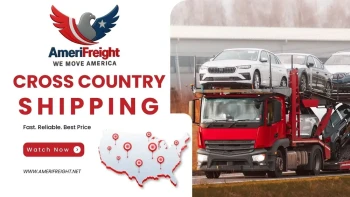
Attempting to drive a personal or custom vehicle across hundreds or thousands of miles subjects the engine to excessive strain, adds unnecessary mileage, exposes the chassis to road debris, and incurs high fuel and accommodation expenses. Contracting licensed auto haulers ensures your vehicle travels safely on specialized multi-car transports while you travel stress-free to your new residence.
Section II: Transporting Iconic Custom Vans & Modified Platforms
Shipping non-standard, custom, or classic vehicles requires extra attention to detail compared to handling factory sedans. Extended wheelbases, modified rooflines, custom body kits, and lowered or raised suspensions present unique loading angles and overhead clearance challenges for freight carriers.
A prime example of modified automotive culture is the legendary a team van—the famous 1983 GMC Vandura known for its bold red stripe, custom ground effects, flared fenders, and distinctive rear spoiler. Moving customized utility vans or vintage show vehicles across long distances demands specialized carrier configurations. Utilizing enclosed trailers equipped with hydraulic liftgates, soft wheel-strap tie-downs, and low-incline loading ramps protects custom paintwork, body extensions, and delicate exterior trim from physical impact and highway weather.
Section III: Regional Logistics Hub — Houston, Texas
Serving as a central freight gateway for the Gulf Coast and Southern shipping lanes, Houston acts as an essential operational center for cross-country vehicle transport networks. Connected by major shipping corridors like Interstate 10, Interstate 45, and Interstate 69, the metropolitan area manages continuous commercial carrier traffic moving vehicles nationwide.
Coordinating vehicle pickups or drop-offs within the greater Houston metro area requires evaluating specific local transport factors:
Corridor Mobility: Direct access to I-10 and I-45 allows auto carriers to efficiently route vehicles between the Atlantic Seaboard, the Southwest, and the Midwest.
Suburban Staging Locations: To bypass heavy metropolitan traffic and avoid narrow residential streets or low-hanging power lines, car haulers often coordinate staging meetings at spacious commercial parking lots near main freeway exits.
Climate Readiness: High heat and humidity require transport crews to verify tire pressures and cooling system stability before embarking on long multi-state journeys.
Section IV: Mandatory 4-Step Pre-Dispatch Inspection Protocol
To guarantee your vehicle passes carrier turnover without delay on pickup day, complete this mandatory four-step readiness audit:
Fluid & Electrical System Verification: Inspect the engine bay for active oil, transmission, or coolant drips, and confirm the battery holds a charge so the driver can maneuver the vehicle safely onto the trailer.
Fuel Capacity Calibration (1/8 to 1/4 Tank): Ensure the fuel level remains strictly between 1/8 and 1/4 full, providing sufficient fuel for loading while keeping total trailer weight compliant with Department of Transportation (DOT) standards.
Interior Clearance & Toll Pass Shielding: Clear out all personal possessions and loose cargo from the cabin, and place electronic toll transponders inside signal-blocking bags to prevent accidental toll charges during transit.
Bill of Lading (BOL) & Photo Audit: Wash the vehicle exterior thoroughly, perform a physical inspection alongside the transport driver, note existing surface scratches on the official BOL document, and take clear, time-stamped photos of every panel.
Report this wiki page